
Beauty from Ashes… But Did You Ask for the Fire?
Delicate and tiny. Beautiful, but hidden. Unexpected and short-lived.
If you are barreling down the path towards the destination, they are easy to miss.
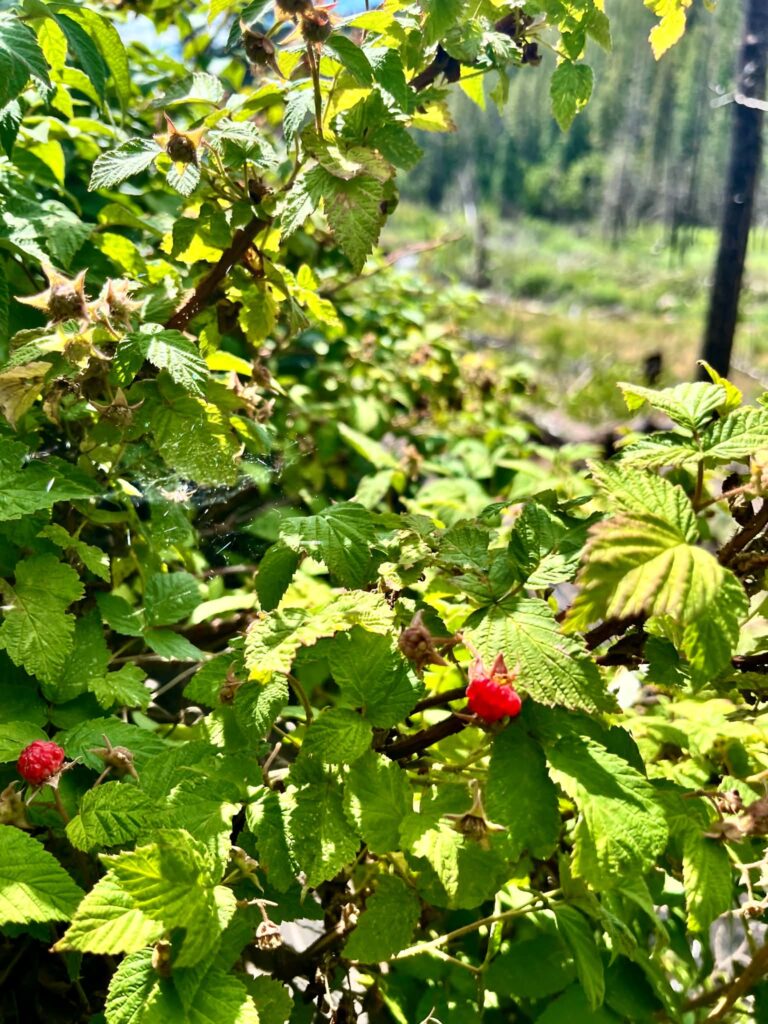
Spot and gently harvest one and your taste buds will leap into action as the juice plays across them in a moment that makes you close your eyes as you cannot hold back a smile.
What am I babbling about? Wild mountain raspberries.
Where do we find tiny blessings?
There are two places where I have consistently found these ruby red delights: a burn scar in southern Montana and a burn scar in the foothills of northern Colorado. Burn scars.
Apparently, wild raspberries are a “pioneer species”, plants that have a deep root system and heat-activated dormant seeds. They finally have the chance at sunlight when the forest canopy vanishes in a fire. Ash can actually enrich the soil, and dense new shoots spread quickly. But this growth only happens after a wildfire.
Enter one of my recently favorite phrases, “There may be beauty from ashes, but did you ask for the fire?”
“There may be beauty from ashes, but did you ask for the fire?”
Contrasting real blessings with fake fruit
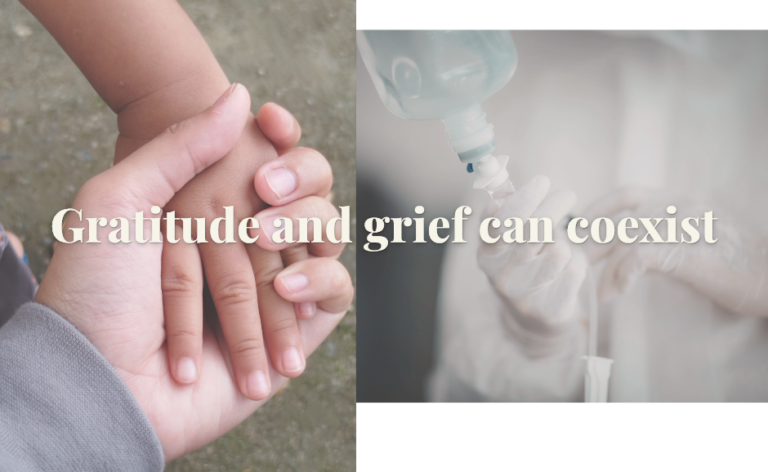
“Wow, that’s a blunt and kind of dour question,” you may say. But consider the current climate. Any time that you jump on social media—which is frankly one of the first places besides Google that a parent new to a diagnosis community turns—there are plenty of influencers or advocates further down the road touting all the best parts of their kid and their diagnosis. The heart is beautiful. The message—that this new life is just as good, maybe better—can be devastating to someone who has not come to terms with difficult news and a life that they never imagined.
The shock of a new, or another, diagnosis takes you right to the high mountain valley where there are burned trunks, wide open spaces, beating sun, and only low foliage. Imagine surveying the unexpected reality and spotting specks of color at eye-level on the blackened trunks. As you wander closer, it becomes apparent the specks are pieces of plastic fruit zip-tied to each tree remnant. What conclusions would you draw? How would you view the valley… and even, perhaps, the people who “decorated” the landscape?
Hunting for the sustaining truth
It can take a while to recover from the whiplash of the zip-tied fruit, but if the valley is now your home for the foreseeable future, I’d recommend trying. Whether you take down the plastic fruit, put other decorations around it, or throw a blanket over it, I don’t care. But start to look lower. In the regrowth. Slow your pace and notice real, rare, resilient pieces of beauty.
Remarkably, once you stop at a raspberry bush, bend down and decide whether a berry is ripe enough to pick, you’ll find others on the bush. Also small, hidden, and delicate. But worth your time to admire and enjoy.
Nothing about this fruit was staged for you.
Nothing about this fruit was staged for you.
No one zip-tied it to a blackened trunk at eye level, plastic and identical and already ripe, demanding you admire the view before you’ve grieved the trees. This one had to wait for the fire. Its dormancy needed the heat to crack it open. It could not have grown any other way, and that is not a comfort I would have chosen, but it is true.
When Gratitude Becomes a Habit
One berry does not undo the immense sadness and loss of the burn. Neither do the supports available through Early Intervention. But both are blessings. Both can cause us to wonder at a God who would choose to provide sweetness where He didn’t have to.
So gather these blessings. Name them specifically. Write down where you encountered them and sear into memory the momentary relief and love that you felt when receiving them. A single “thank You,” said once, over one small sweetness, is not yet a harvest. Said again, over the next one, and the next—not to convince yourself the fire was good, but because the fruit is actually, specifically good and reveals a matchless kindness of the Giver—starts to stir something low in the soil. Not manufactured gratitude, rehearsed until it sounds sincere. Discovered gratitude, tasted until it becomes true.
When Discovered Gratitude Turns to Worship
Another funny thing happens when you taste a wild mountain raspberry. You can’t wait to find the next one… to give to your hiking buddy for them to savor. As you discuss how good that tiny berry is and how it brightens your outlook on the next part of the hike, you also recognize grace in other simple things. The ability to take a deep breath and have it scented of pine and dust… and be able to distinguish that. The comfort of taking steps with another human being wordlessly, simply enjoying the company and the grandeur. The regulating stillness in the absence of modern busyness.
Then, the thoughts and conversations begin to turn, acknowledging the One allowing all the sensations and reminders. Not just that He enabled our fragile bodies to experience these delights, but that it is His character to bless us, His beloved. All of a sudden, your mind and heart are in the sanctuary—the home where your heart knows true rest, the place you always long for. In that moment, you are able to proclaim again honestly that, “You make known to me the path of life; you will fill me with joy in your presence, with eternal pleasures at your right hand.” (Ps. 16:11 ESV)
New diagnosis? Start here.
Want help figuring out where the struggle is? Interactive reflection
Brianne Sutton is the author of Siege of the Soul, a book for parents navigating faith, especially after an unexpected diagnosis. With a background in neuroscience and personal experience with special needs parenting challenges, Brianne writes with empathy and insight for weary souls seeking hope.